Highnote Powers OneGold’s Launch of The OneGold Card

Payment Execution Infrastructure for Accounts Payable Automation
Highnote powers the payment execution layer in accounts payable automation: programmable virtual cards, supplier payments, spend controls, and unified ledger reconciliation, all on one platform.















Where Highnote Fits in AP Automation
AP automation spans a wide range of capabilities: invoice capture, OCR, workflow routing, ERP integration, and approvals. Most platforms automate that workflow layer. Highnote is not that layer.
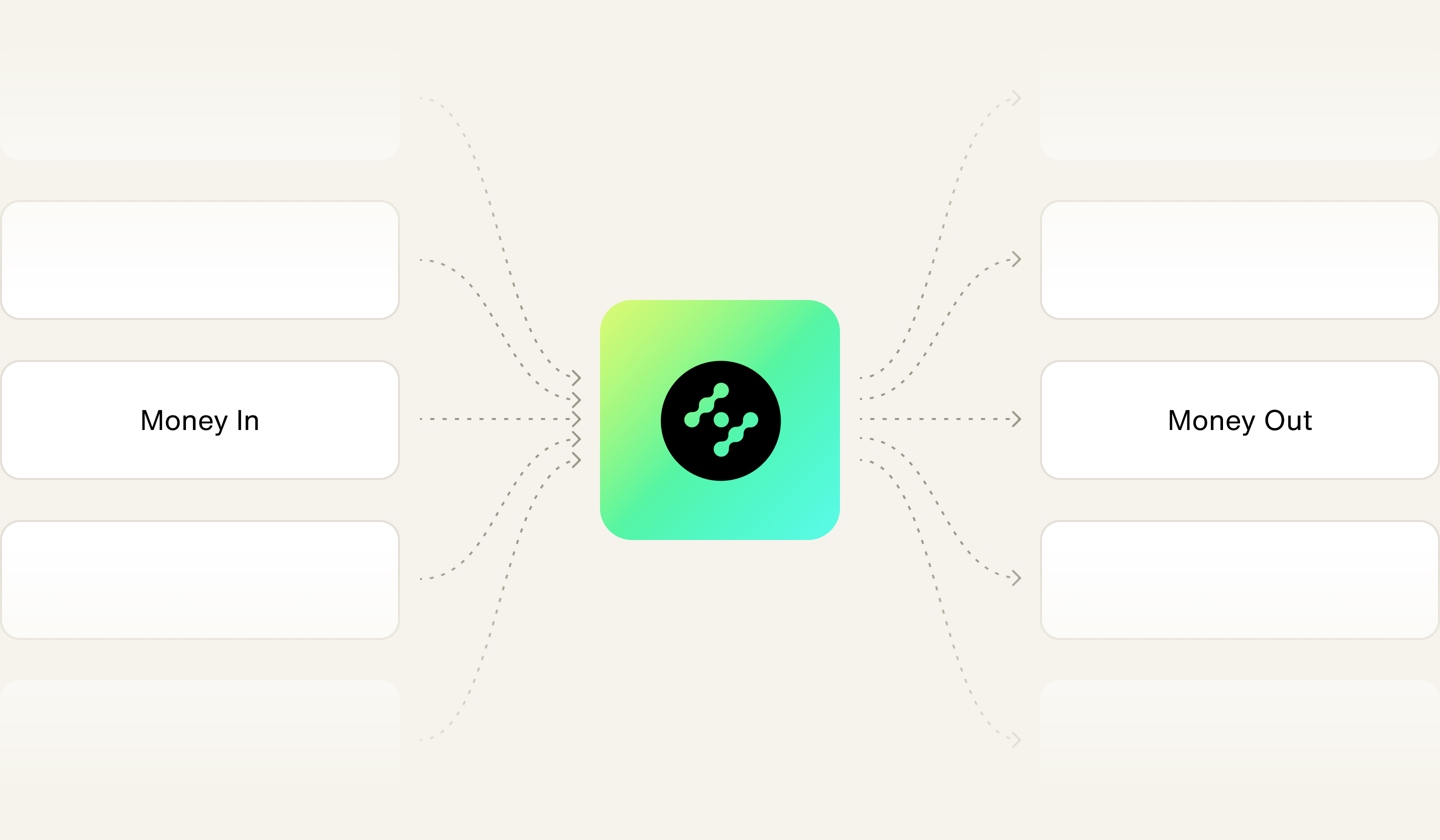
Highnote is the payment-execution infrastructure beneath it. When an invoice clears approval, Highnote governs how the money moves: which virtual card executes the payment, what spend limits apply, which vendors are authorized, and how every transaction posts to a unified ledger in real time.
Most AP systems automate workflows. Highnote automates and governs the money movement layer.
What Highnote Gives AP and Finance Teams
Programmable virtual card issuance
Issue a virtual card per invoice, per vendor, or per payment run. Each card has its own spend limit, merchant category restrictions, and expiration date. The card is the control layer for every supplier payment.
Supplier payment automation
Replace manual ACH and wire-based payment workflows with governed, API-driven supplier payments initiated from a unified ledger via major debit network rails.
Authorization-layer spend governance
Set vendor allowlists, per-transaction caps, and velocity rules at the program level. Every payment is evaluated at authorization, before funds move.
Unified ledger reconciliation
Every payment posts to a single, real-time ledger the moment it clears. No reconciliation gaps between AP approval and settlement.
API-first payment lifecycle control
Authorize, capture, and refund programmatically. The full payment lifecycle runs via API, with every event mapping cleanly to your financial data model.
Why the Payment Execution Layer Needs Its Own Infrastructure
Most AP automation platforms handle the workflow. They do not own the money movement. When they reach the payment step, they hand off to ACH rails or third-party processors not designed for policy-controlled governance. Spend policy becomes a soft limit. Reconciliation becomes manual. Finance loses transaction-level visibility at the moment it matters most.
AP System
Approves invoice
Virtual Card
Issues a spend-controlled virtual card
Supplier
Charges the card within approved parameters
Authorization
Evaluates against program-level rules
Ledger
Transaction posts to the unified ledger immediately
Reconciliation
Finance reconciles from one system across all supplier payments
Highnote's issuing infrastructure is API-driven from the ground up. Controls live inside the card program. Every supplier payment hits a policy check at authorization and settles against the same data model your finance team uses on the unified payments platform.
The result: AP approval and payment execution run on one continuous system. No gaps between your workflow layer and your books. No manual reconciliation between what the AP system approved and what actually posted.
How Finance Teams Use Highnote for AP Today

Virtual card AP workflows
Issue a dedicated virtual card per approved invoice. Vendor-scoped, spend-limited, and auto-expiring upon payment clearing.

B2B supplier disbursements
Automate supplier disbursements at scale. Each vendor gets its own controlled payment instrument with unified reconciliation.

Invoice-triggered payment execution
AP system approves, Highnote's API issues and funds a virtual card for that specific payment. Workflow stays upstream, money movement runs on Highnote.

Procurement payment automation
Issue spend-controlled virtual cards against approved POs. Each card closes on fulfillment with policy enforced automatically.
Go Deeper

What Is AP Automation and How It Transforms Accounts Payable
The operational case for programmable payment infrastructure inside AP workflows.
The Real-Time Mandate: Why Leading Platforms Are Unifying Money Movement with Highnote
Why unified money movement is replacing fragmented payment rails in finance operations.

Unified Payments Platform: What It Is, Why It Matters, and How to Implement It
The case for building payment execution into a single system rather than stitching vendors.
AP Systems Handle the Workflow. Highnote Governs the Money Movement.
Build the governed payment infrastructure layer behind your AP automation workflows. Programmable virtual cards, spend controls, and unified ledger visibility. Available today on Highnote.